Elystan House, Brisbane

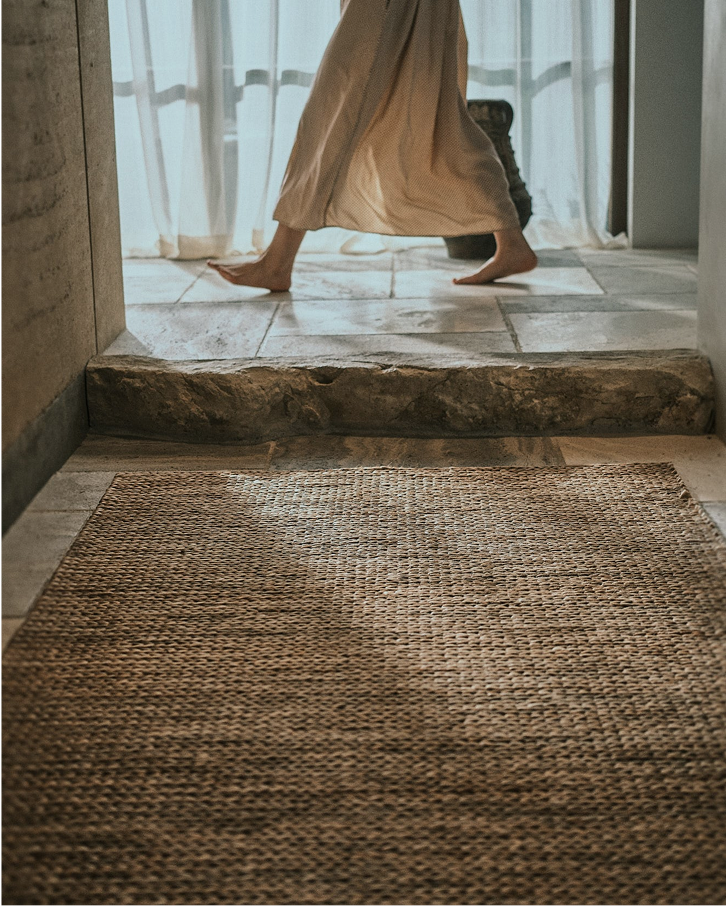
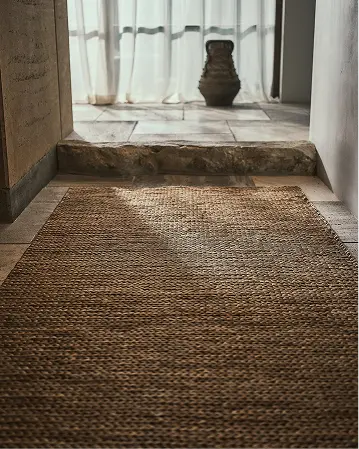
Set within a family home in Brisbane’s New Farm, Elystan’s garden room by Samantha Leigh Interiors is designed for year-round use. It opens fully to the surrounding landscape in warmer months and closes around the fireplace when the temperature drops. The Pony Braid Jute Rug grounds the space, adding warmth and texture to the room’s raw material palette.


Here, we speak with Samantha Leigh about the project and her approach to materiality.


Interiors: Samantha Leigh Interiors


Photographer: David Wheeler


Can you tell us a little about this project and the brief for the living space?

Elystan is a family home in New Farm, Brisbane, designed around an architecture of tropical brutalism with a deep connection between inside and out. The garden room is the formal sitting room — the first space guests encounter on arrival. The brief was for a room that could host guests elegantly but draw the family in just as easily: fire going, board games on the table, everyone settled in for the evening. What drew us to this room from the beginning was how differently it was designed to live across the seasons. It opens completely on three sides, and when the doors stack back the room dissolves into the landscape. That range, from completely open to drawn inward against the season, is what the room is built around.


Materiality plays a strong role throughout the home. How do you approach working with different materials together?

The approach at Elystan was always about finding the right conversation between rawness and warmth. The garden room has a board-form concrete ceiling and a section of off-form concrete wall, and everything else is a response to that. The decision to run the travertine paving from outside to in was central to this, deliberately blurring the line between the two spaces. From there, the approach to furnishings and soft furnishings was about building something tactile and layered, bringing warmth and softness to the architecture.

What role does texture play in creating warmth and atmosphere within a space?


When you're working with a restrained palette, texture does the work that colour might otherwise do. In the garden room, we made a conscious decision to keep the colour coming from the garden rather than from within the room itself, which meant texture had to carry the space. The stone floor, the concrete ceiling, the rug, the upholstery — every material was chosen for what it contributes to the tactile quality of the room. It's what gives a tonal space its depth and stops it from feeling flat.


What drew you to the Nodi jute rug for this project?


It was really the weave and the texture that drew us to it. In a room where we were working hard to layer softness into a space defined by concrete and stone, the rug brought both texture and warmth in a way that felt natural. It's also incredibly soft underfoot, which adds a comfort and ease to the room that keeps it feeling relaxed.


How do you hope people feel when spending time here?

Effortless. Whether it's a summer evening with the doors open and the garden alive around you, or a winter night by the fire with the bar open and nowhere to be, we wanted the room to feel completely natural to be in. The kind of space that just works, whatever the season or the occasion.