


Objects of Affection: Marilyn Sainty
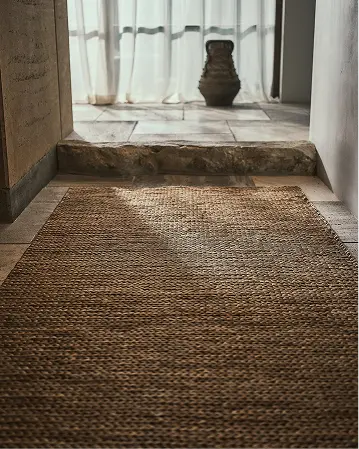
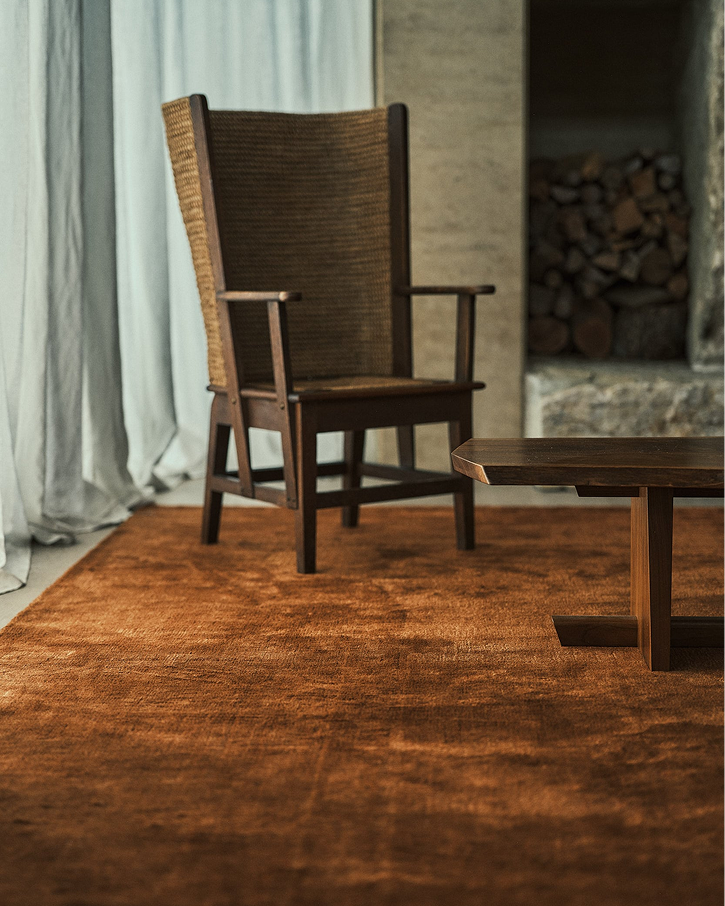
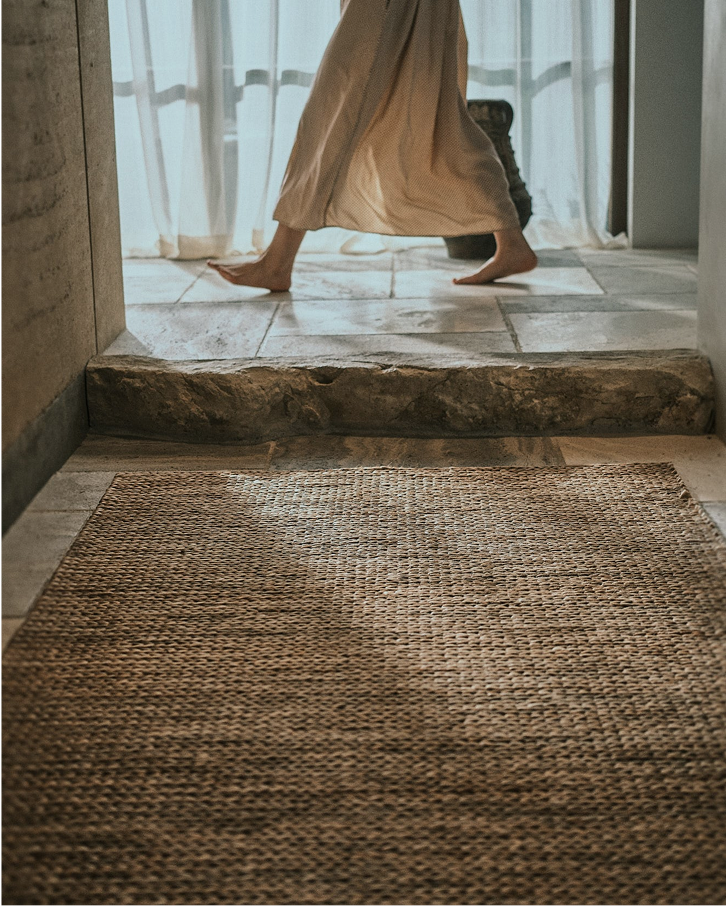
Last year, Marilyn Sainty—a respected, deeply creative fashion and occasional furniture designer—appeared briefly in our brand campaign marking the launch of our handwoven carpet range. It was immediately clear how naturally her world aligns with ours, in her love of handmade objects.
When we visited her home for this journal, that alignment became more evident. We found a treasure trove of artisan craft: shelves lined with colourful plates and bowls with intricate patterning, and cherished pieces gathered over time.
Here, we highlight some of the handcrafted objects collected over years — pieces that mirror the same values of design and craft that sit at the heart of Nodi.


The complexly patterned ceramics on Marilyn’s shelves, also seen in our earlier brand campaign, trace their origins to a Sicilian ceramicist working in the south of France. Marilyn first encountered them as a young woman visiting New York. “I coveted them but could not afford to buy them,” she said.
Years later, she saw them by chance in a dusty store on Pont Neuf in Paris and started collecting them; the owner wasn’t forthcoming about their origins, other than to say they were made by a friend. “It wasn’t until someone passed on some old Côté Sud magazines that I found out their origins — a lovely coincidence,” she said.


They are made in Vallauris, in the south of France, where the unique technique (terres mêlées) was born. While the style was created by Jean Gerbino, a ceramicist who devoted 15 years of his life to developing this specific process, Marilyn discovered that most of the pieces she has are the work of Yvan Koenig. Koenig was the son-in-law of Edouard Alziary, who had been directly trained by Gerbino himself. Koenig continued this intricate legacy, mastering the methods passed down through the family line. He has since retired.
Heavily influenced by Japanese Nerikomi (known as Neriage), the work involves stacking different coloured clays, cutting, reassembling, and slicing to form intricate patterns.

Not everything in Marilyn’s home comes with a long history. Some pieces are simply things she saw and liked. There is an American console she found in a secondhand shop in Wellington, and a beautifully crafted, box-shaped Japanese leather handbag bought in Tokyo.
One of her favourite things is the framed, handwritten words from Ecclesiastes 9:11, made by her father. “I remember, as a young child, watching him cut out the leaves in plasticene, placing them on the frame and painting it gold. I thought he was so clever. He also made paper sculpture, which I loved.”
She insists she isn’t a collector. “Some things you are just drawn to,” she says.


What connects her belongings is not rarity, but affection — a preference for objects that are beautiful yet unpretentious, and made to be used. “I use the plates a lot,” she says. “That’s the other thing about them — they’re robust. They’re practical.”
When asked what draws her to handcrafted pieces, Marilyn is refreshingly honest. “Quite simply, I like them,” she says. It’s a philosophy grounded in instinct: choosing things that are clever, unexpected, well-made, and easy to live with.
It’s a perspective that aligns closely with the ethos of Nodi: pieces that are beautiful and thoughtfully designed, yet durable enough to become the foundation of daily life.
“I use the plates a lot. That’s the other thing about them — they’re robust. They’re practical.”
Marilyn Sainty


Credits:
Photography: Campbell Hooper

Nodi journal
Elystan house, brisbane
Set within a family home in Brisbane’s New Farm, Elystan’s garden room by Samantha Leigh Interiors is designed to move with the seasons.
Read
Nodi journal
Double courtyard house
Just north of Auckland, this project by Roberts Gray Architects is shaped by its connection to the surrounding dunes at Te Arai.
Read